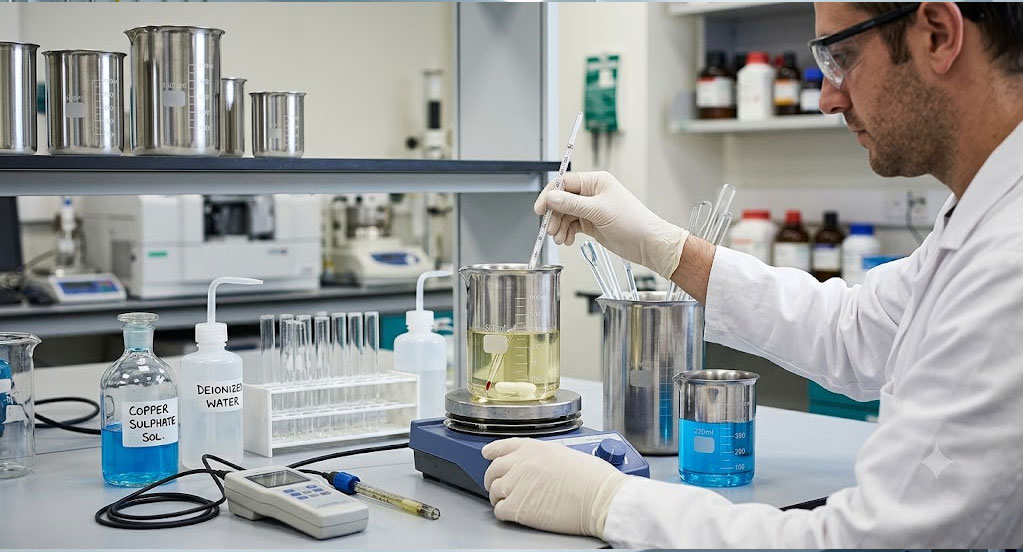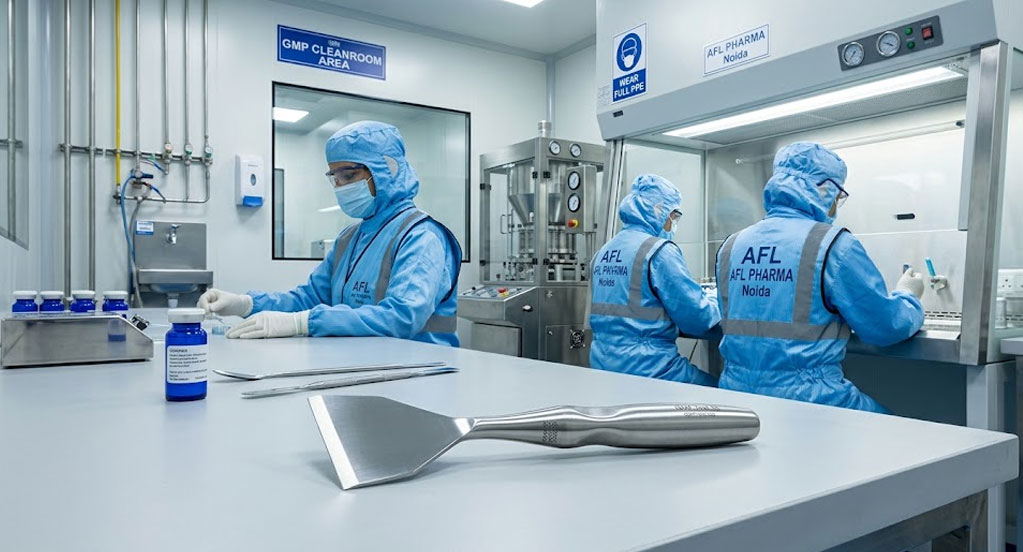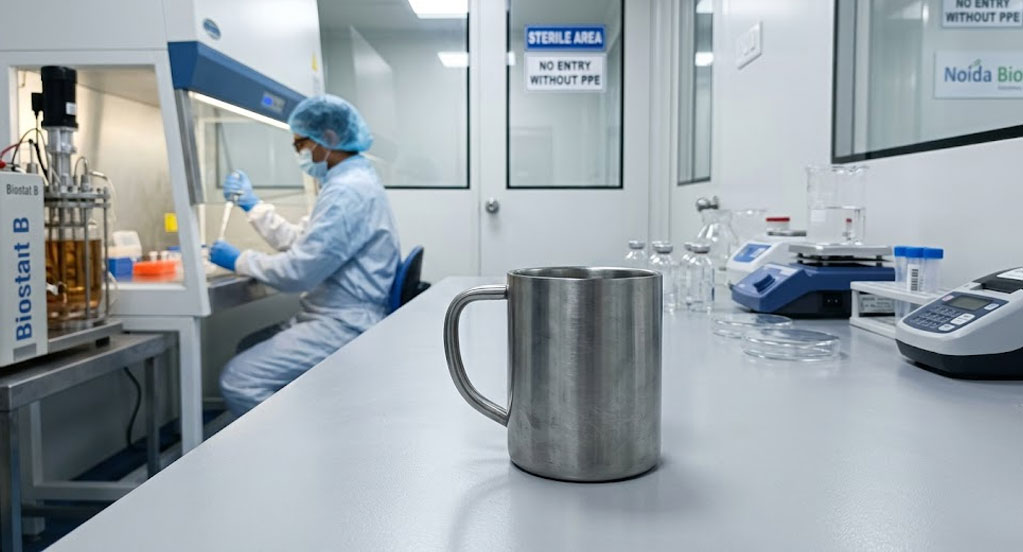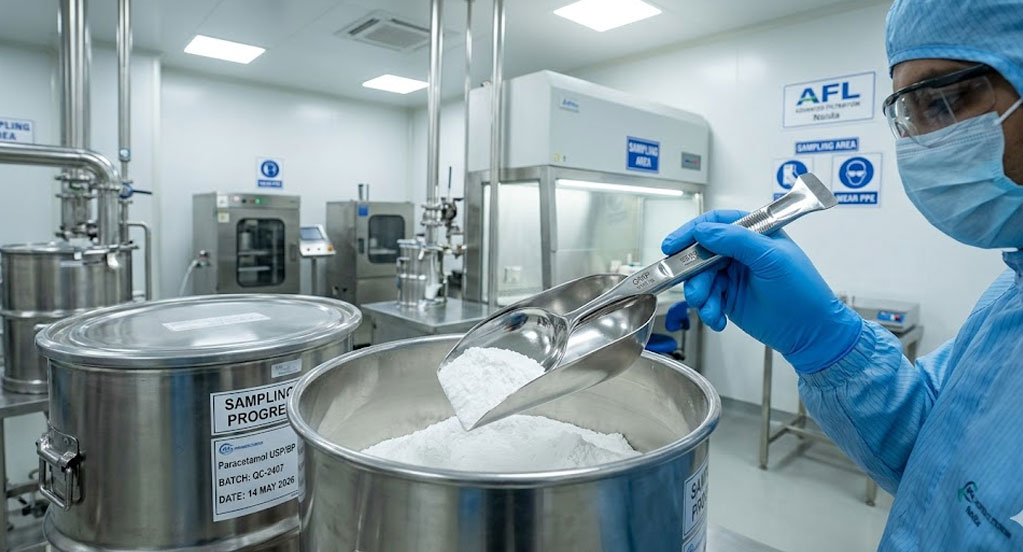
Biotechnology manufacturing environments operate under some of the most demanding regulatory and sterility standards in industrial production. From cell culture processing and fermentation to purification, buffer preparation, and media storage, stainless steel vessels form the backbone of critical biotech operations.
In regulated biotech facilities, vessels are not simply storage containers. They are validated process systems that must meet strict GMP, cleanability, mechanical integrity, and contamination control requirements. Material selection, surface finish, fabrication quality, and integration with sterile utilities determine both compliance and product safety.
For B2B procurement leaders, plant engineers, EPC contractors, and biotech manufacturing heads, understanding how stainless steel vessels support biotechnology applications is essential for long-term operational stability and global regulatory acceptance.
Regulatory Framework Governing Biotech Vessel Design
Biotech manufacturing falls under multiple regulatory authorities.
Under FDA 21 CFR 211, equipment must be designed to prevent contamination and allow proper cleaning and maintenance.
EU GMP Annex 1 emphasizes contamination control strategy (CCS), particularly for sterile biologics manufacturing.
WHO TRS 961 reinforces hygienic design and validation requirements for pharmaceutical and biotech systems.
Additionally, biotech facilities handling biologics often comply with:
- ISO 14644 cleanroom classifications
• ASME Section VIII pressure vessel standards
• ASTM A967 passivation standards
Stainless steel vessels must therefore satisfy both hygienic and mechanical requirements.
Facilities operating integrated industrial SS pharma products typically extend identical fabrication standards to biotech process vessels.
Consistency reduces regulatory risk.
Why Stainless Steel Is Critical in Biotech Manufacturing
Biotech processes involve sensitive biological materials including:
- Cell cultures
• Recombinant proteins
• Enzymes
• Vaccines
• Monoclonal antibodies
SS 316 or SS 316L is preferred because it offers:
- Superior corrosion resistance
• Compatibility with CIP/SIP
• Resistance to cleaning chemicals
• Weld integrity under thermal stress
• Electropolishing capability
ASTM A967 passivation enhances corrosion resistance, critical in biologic processing environments.
Facilities already using hygienic stainless steel storage tanks often maintain the same grade standards for biotech reactors and vessels.
Material uniformity strengthens contamination control strategy.
Fermentation and Bioreactor Applications
One of the most critical biotech applications of stainless steel vessels is fermentation.
Fermentation vessels must:
- Maintain sterile conditions
• Withstand internal pressure
• Support temperature control
• Allow agitation
• Enable oxygen transfer
Bioreactors fabricated from SS 316L offer durability and sterility compatibility.
Surface finish ≤ 0.8 µm Ra minimizes microbial adhesion.
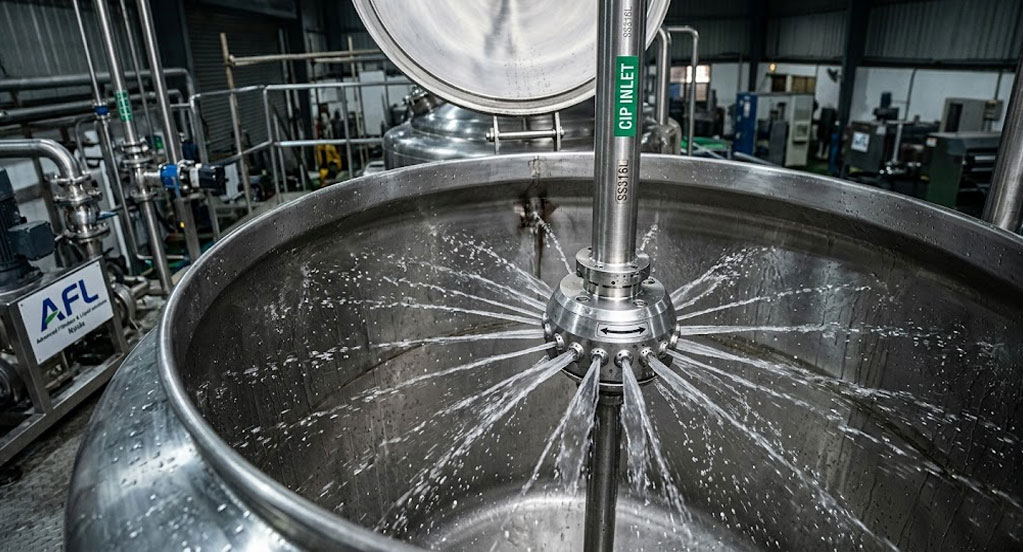
Integration with validated industrial cleaning systems ensures CIP/SIP efficiency.
Fermentation vessel performance directly influences biologic yield.
Media Preparation and Buffer Storage
Biotech facilities rely heavily on media preparation vessels for:
- Nutrient solutions
• pH buffers
• Sterile water
• Growth media
Stainless steel vessels ensure:
- Chemical inertness
• Stable temperature resistance
• Hygienic fluid containment
Compatibility with purified water systems enhances process integrity.
Sterile-grade liquid handling supported by industrial sanitary valves ensures contamination-free transfer.
Downstream Processing and Purification Systems
After fermentation, biologics undergo downstream processing.
Stainless steel vessels are used for:
- Clarification
• Filtration staging
• Chromatography feed
• Intermediate holding
These vessels must maintain product integrity during transfer.
Air purity maintained via industrial filtration systems complements hygienic vessel design.
Poor vessel fabrication can compromise purification efficiency.
Cleanroom Compatibility and ISO 14644 Considerations
Biotech production often occurs in classified environments.
ISO 14644 requires strict control of airborne particulates.
Stainless steel vessels:
- Do not shed particles
• Resist corrosion
• Maintain smooth surfaces
• Support sterilization
Surface defects increase contamination risk.
Electropolished interiors improve cleanroom compatibility.
Pressure and Thermal Stability in Biotech Applications
Biotech vessels frequently operate under:
- Elevated temperatures
• Steam sterilization cycles
• Internal pressure
• Agitation stress
SS 316L provides:
- Thermal stability
• Structural integrity
• Weld durability
Compliance with ASME Section VIII ensures mechanical reliability.
Mechanical integrity is as critical as hygienic compliance.
Master Technical Comparison Table
| Parameter | GMP SS Biotech Vessel | Carbon Steel Vessel | Plastic Tank |
|---|---|---|---|
| Corrosion Resistance | High | Moderate | Moderate |
| Sterilization Compatibility | Excellent | Limited | Limited |
| Cleanroom Compatibility | Strong | Moderate | Moderate |
| Mechanical Strength | High | High | Low |
| Lifecycle Cost | Lower long-term | Moderate | High replacement |
| Regulatory Acceptance | High | Moderate | Limited |
Drainage and Spill Management Integration
Spill control in biotech labs is critical.
Vessels must integrate with hygienic stainless steel drainage systems to prevent contamination spread.
Improper drainage design can compromise sterile zones.
Turnkey stainless engineering ensures compatibility across vessels, piping, and drainage infrastructure.
Documentation and Validation Requirements
Biotech stainless vessels must include:
- Material Test Certificates (MTC)
• Surface finish documentation
• Weld test reports
• Hydrotest certification
• IQ/OQ/PQ documentation
Export buyers demand complete validation packs.
Documentation readiness strengthens regulatory approval in global markets.
Export Demand and Global Market Growth
Biotech infrastructure expansion is strong in:
- GCC biologics hubs
• African vaccine production programs
• Southeast Asian biosimilar manufacturing
• LATAM biologics facilities
• EU sterile biologics expansion
Export buyers require:
- ASME compliance
• GMP fabrication
• Surface finish certification
• Safe packaging
• Third-party inspection
Indian turnkey stainless manufacturers maintain strong competitiveness in global biotech projects.
Procurement Checklist for Biotech Buyers
Before procurement:
- Confirm SS 316L grade
• Verify surface finish (≤ 0.8 µm Ra)
• Request ASME compliance
• Confirm CIP/SIP compatibility
• Obtain validation documentation
• Ensure export readiness
Compliance must be documented, not assumed.
Frequently Asked Questions
Why are stainless steel vessels preferred in biotech?
They provide sterility, durability, and regulatory compliance.
Is SS 316L mandatory?
It is widely preferred for biologic applications.
Are biotech vessels ASME-certified?
For pressure-rated systems, yes.
Do they support CIP/SIP?
Yes, when properly designed.
Are they cleanroom compatible?
Yes, with compliant surface finish.
Can they be exported globally?
Yes, when supplied with proper documentation.
Are they suitable for vaccine production?
Yes, when fabricated to GMP standards.
Can they be integrated in turnkey projects?
Yes, alongside full stainless infrastructure.
Final Recommendation for Biotech Procurement Teams
Stainless steel vessels are central to sterile control, process stability, and regulatory compliance in biotechnology manufacturing.
Selecting properly fabricated, validated stainless steel vessels strengthens contamination control strategy and export credibility.
Sanipure Systems, recognized as a leading manufacturer, supplier, and complete turnkey project solution provider, supports biotechnology infrastructure worldwide with GMP-compliant stainless steel vessels engineered to meet international regulatory and mechanical standards.
For technical specifications, compliance documentation, or export-ready quotation, procurement teams are encouraged to consult directly with the engineering team at Sanipure Systems.