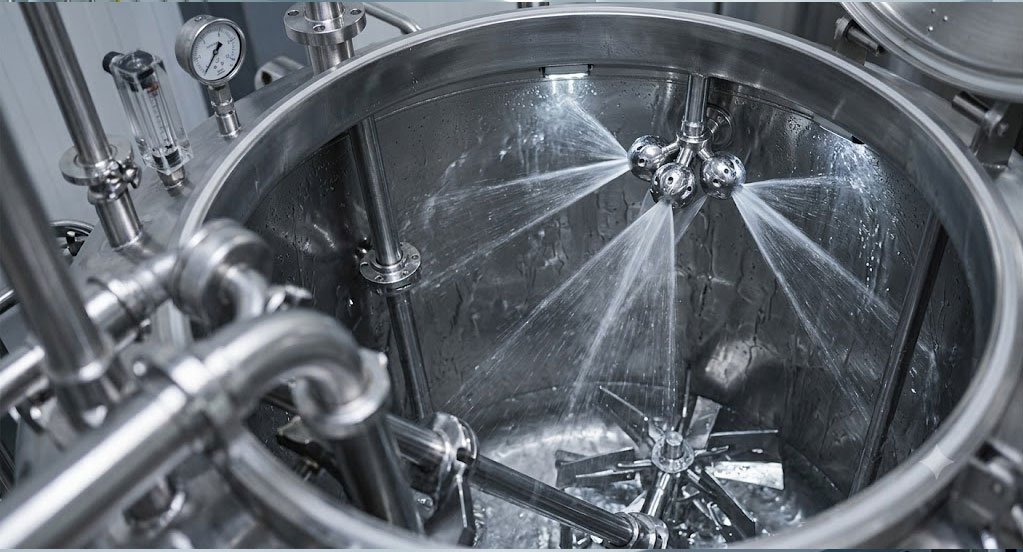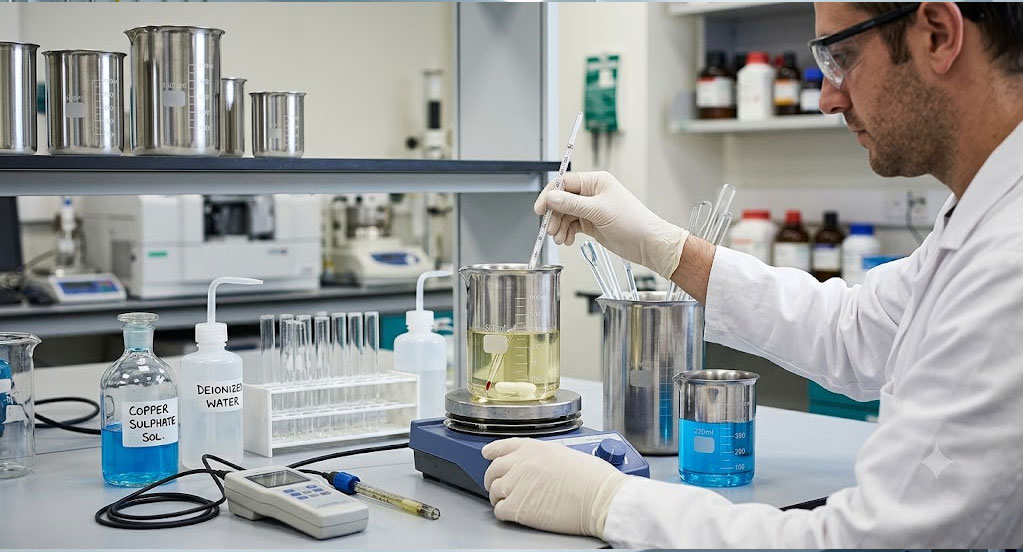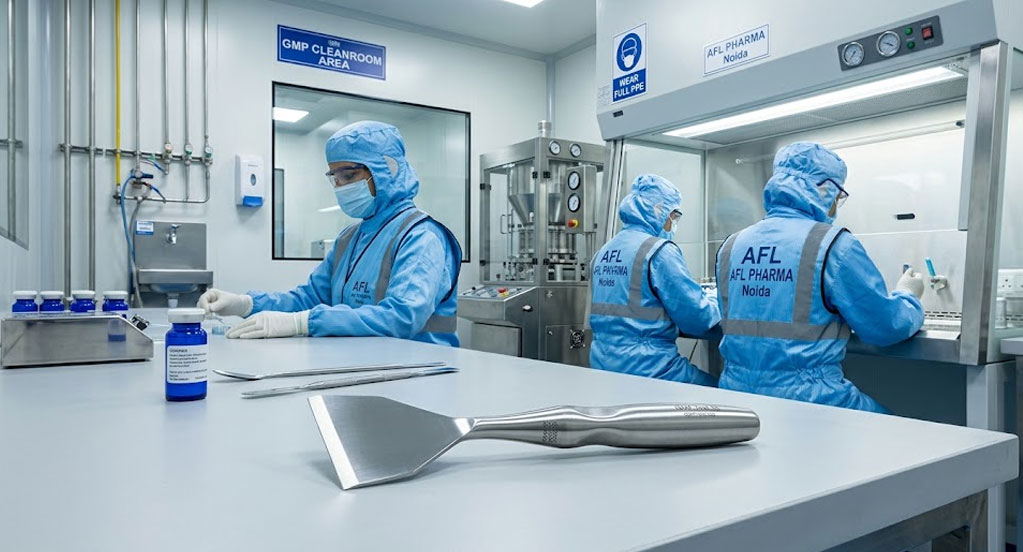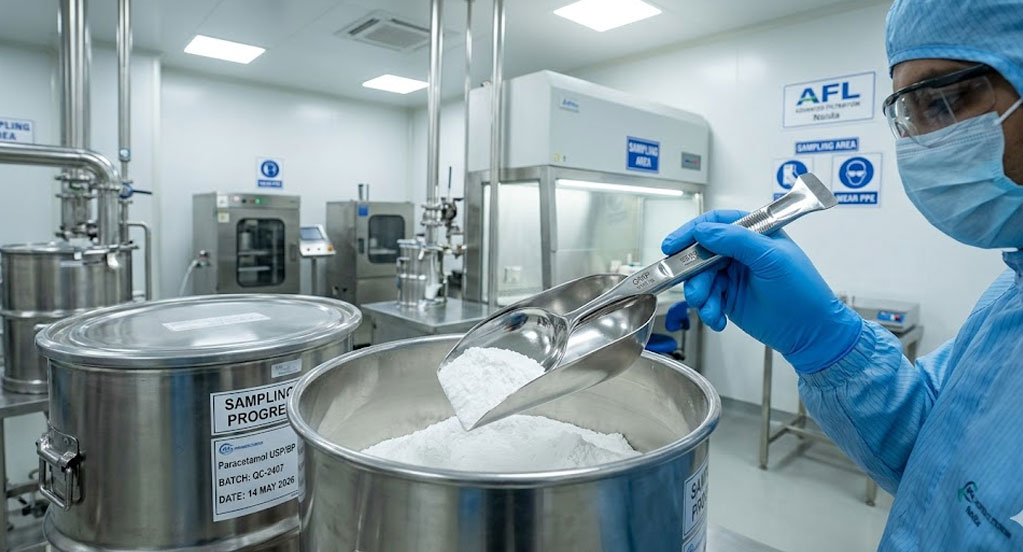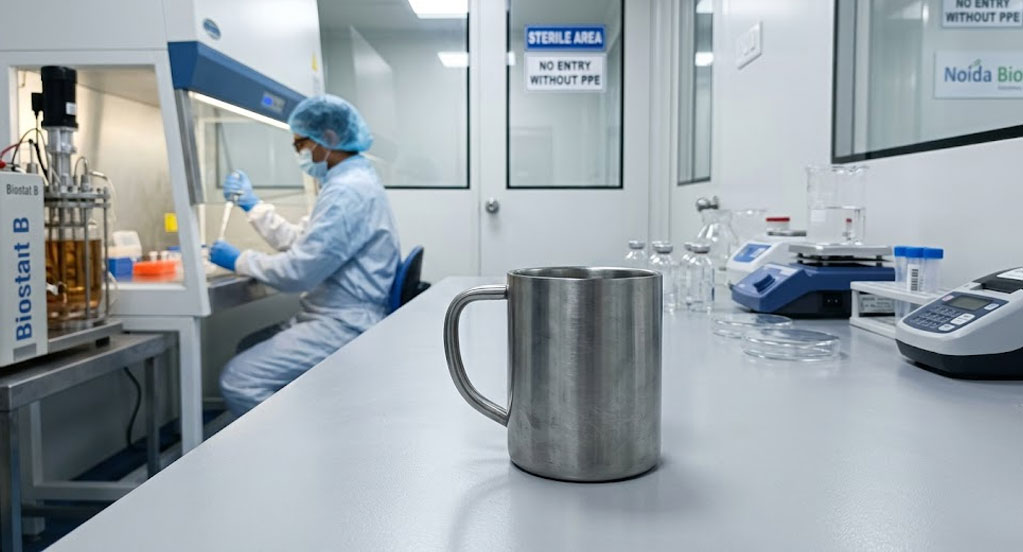
In regulated laboratory environments, sterile control is not limited to major equipment like reactors or isolators. It extends to every product-contact tool, including small liquid-handling vessels such as mugs.
Stainless steel mugs used in pharmaceutical, biotechnology, and research laboratories serve a critical purpose: controlled handling of purified water, buffer solutions, intermediate liquids, and cleaning agents within sterile and semi-sterile zones.
While often underestimated, stainless steel mugs directly influence contamination control, cleaning validation, material compatibility, and audit readiness. In GMP-compliant laboratories, even auxiliary containers must meet hygienic design and regulatory standards.
For B2B procurement heads, QA managers, R&D directors, and turnkey engineering teams, understanding how stainless steel mugs support sterile lab environments is essential for compliance and operational efficiency.
Regulatory Foundations for Sterile Laboratory Equipment
Sterile laboratory operations fall under strict global regulatory frameworks.
Under FDA 21 CFR 211.63 and 211.65, equipment must be constructed of materials that do not alter product quality and must allow thorough cleaning and maintenance.
EU GMP Annex 1 places emphasis on contamination control strategy (CCS), requiring smooth, non-reactive, easily cleanable surfaces in sterile environments.
WHO TRS 961 reinforces hygienic design and cleanability standards.
Therefore, stainless steel mugs used in labs for:
- WFI handling
• Sterile solution transfer
• Buffer preparation
• Media dispensing
• Controlled liquid dosing
must align with the same standards as larger process systems.
Facilities operating integrated industrial SS pharma products ensure uniform stainless fabrication philosophy across all tools, large and small.
Why Stainless Steel Is Ideal for Sterile Lab Environments
The material of a lab mug directly impacts sterility assurance.
SS 316 or SS 316L is preferred because it offers:
- Superior corrosion resistance
• Chemical compatibility with cleaning agents
• High temperature tolerance
• Low carbon content for weld stability
• Surface polish capability
ASTM A967 passivation enhances corrosion resistance and prevents surface degradation.
In sterile facilities that already utilize hygienic stainless steel storage tanks, maintaining metallurgical consistency across small containers strengthens contamination control strategy.
Uniformity reduces risk.
Surface Finish and Hygienic Fabrication Standards
Surface finish plays a major role in sterile compliance.
Recommended specification:
- Internal surface roughness ≤ 0.8 µm Ra
• Mirror-polished interior
• Fully blended weld seams
• No crevices or dead pockets
• Rounded internal corners
Rough surfaces promote microbial adhesion and residue retention.
EU Annex 1 contamination strategy highlights the importance of minimizing particulate and microbial retention surfaces.
Compatibility with validated industrial cleaning systems ensures stainless steel mugs withstand repeated sanitation cycles.
Cleanroom Compatibility and ISO 14644 Requirements
ISO 14644 classifies cleanrooms based on airborne particle concentration.
In Grade A/B environments:
- Tools must not shed particles
• Surfaces must resist corrosion
• Cleaning must be validated
Plastic containers may crack or degrade over time, releasing particulates.
Stainless steel mugs maintain structural integrity and surface smoothness under repeated sterilization.
Air purity supported by hygienic systems such as industrial filtration systems works in tandem with inert stainless tools to preserve sterility.
Chemical Compatibility and Inertness
Sterile laboratories frequently handle:
- Alcohol-based disinfectants
• Cleaning chemicals
• Acidic buffer solutions
• Purified water
• WFI
Stainless steel mugs provide chemical stability superior to plastic alternatives.
Chemical leaching risk is minimal with SS 316L.
Material inertness supports product integrity.
Sterilization and Autoclave Resistance
Sterile labs rely on:
- Steam sterilization
• Autoclaving
• Chemical sanitization
Stainless steel mugs tolerate:
- High temperature cycles
• Repeated steam exposure
• Aggressive cleaning agents
Glass may crack; plastic may deform.
Thermal resilience improves long-term compliance.
Contamination Control and Cross-Contact Prevention
Stainless steel mugs reduce contamination risk by:
- Minimizing residue retention
• Supporting complete cleaning
• Maintaining surface stability
• Avoiding micro-cracks
Under EU GMP contamination control strategy, minimizing cross-contact sources is mandatory.
Stainless tools align with facility hygiene philosophy.
Master Technical Comparison Table
| Parameter | Stainless Steel Mug | Plastic Mug | Glass Mug |
|---|---|---|---|
| Sterilization Compatibility | Excellent | Limited | Moderate |
| Surface Durability | High | Moderate | Low |
| Chemical Resistance | High | Moderate | Moderate |
| Particle Shedding Risk | Minimal | Possible | Low |
| Lifecycle Cost | Low long-term | High replacement | High breakage |
| GMP Compliance | Strong | Limited | Acceptable |
Integration Within Sterile Infrastructure
Sterile laboratory tools must align with:
- Cleanroom classification
• Drainage systems
• Utility piping
• Cleaning validation SOP
• Liquid handling systems
Coordination with hygienic industrial sanitary valves ensures sterile fluid handling remains compliant.
Spill control supported by stainless steel drainage systems reinforces contamination control strategy.
Turnkey integration ensures consistency.
Durability and Lifecycle Cost Efficiency
While initial cost of stainless steel mugs may be higher than plastic, lifecycle cost is lower due to:
- Reduced replacement frequency
• Minimal breakage
• Extended service life
• Lower contamination risk
From a B2B procurement perspective, lifecycle stability improves operational reliability.
Export Market Requirements and Global Demand
Sterile lab standards are tightening globally in:
- GCC pharmaceutical hubs
• African generics expansion
• Southeast Asian biotech labs
• LATAM GMP modernization
• EU-regulated sterile facilities
Export buyers demand:
- Material traceability
• Surface finish certification
• Passivation documentation
• Hygienic fabrication standards
Indian turnkey stainless manufacturers maintain strong global competitiveness in supplying compliant sterile lab tools.
Procurement Checklist for Laboratory Buyers
Before procurement:
- Confirm SS 316/316L grade
• Request MTC
• Verify Ra surface finish
• Inspect weld blending
• Confirm sterilization compatibility
• Ensure export-ready documentation
Documentation strengthens audit readiness.
Frequently Asked Questions
Why are stainless steel mugs preferred in sterile labs?
They offer chemical resistance, durability, and GMP compliance.
Which grade is recommended?
SS 316 or 316L.
Can stainless steel mugs be autoclaved?
Yes, they tolerate repeated steam sterilization.
Do they shed particles?
No, when fabricated properly.
Are they better than plastic in sterile zones?
Yes, especially for repeated sterilization.
Do they support GMP audits?
Yes, with proper documentation.
Are they suitable for export markets?
Yes, when supplied with compliance certificates.
Can they be integrated in turnkey projects?
Yes, alongside other hygienic stainless infrastructure.
Final Recommendation for B2B Procurement Teams
Stainless steel mugs are essential sterile-compatible tools that support contamination control, durability, and regulatory compliance in laboratory environments.
Selecting properly fabricated, documented stainless steel mugs strengthens sterile operations and audit defensibility.
Sanipure Systems, recognized as a leading manufacturer, supplier, and complete turnkey project solution provider, supports sterile laboratory and pharmaceutical infrastructure worldwide with GMP-compliant stainless steel equipment engineered for global compliance standards.
For technical specifications, compliance documentation, or export-ready quotation, procurement teams are encouraged to consult directly with the engineering team at Sanipure Systems.