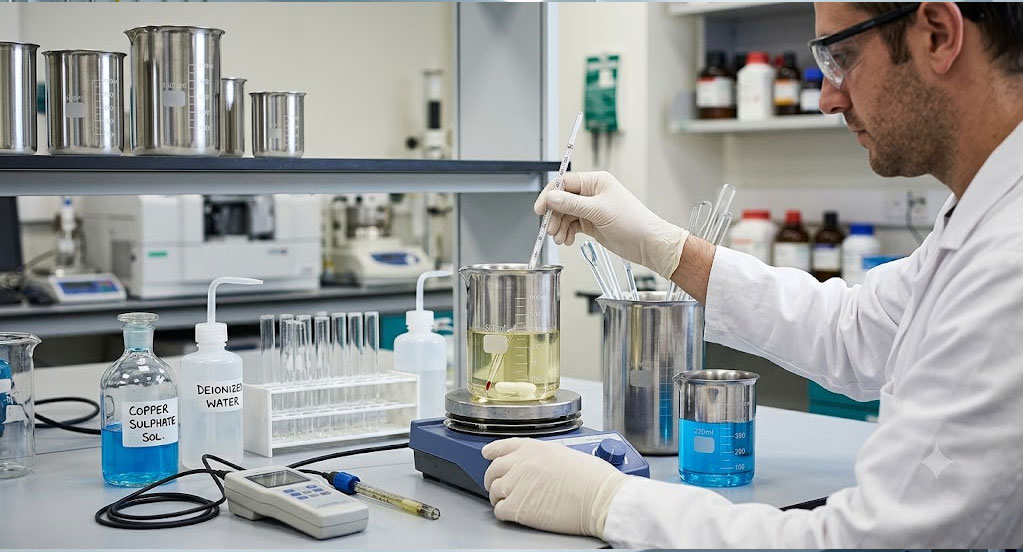
In regulated laboratory environments, equipment selection is rarely about convenience. It is about durability, chemical compatibility, hygiene control, and audit defensibility. Stainless steel beakers, often underestimated compared to glassware, have become critical tools in pharmaceutical, chemical, food, and research laboratories where contamination control and structural integrity are essential.
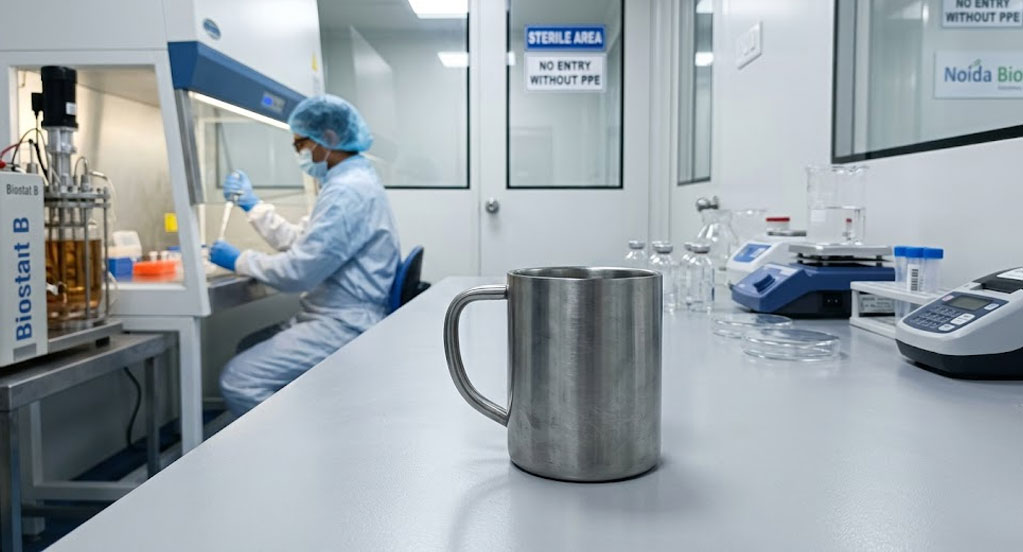
Laboratory procurement teams today are not simply purchasing containers. They are selecting validated product-contact tools that must align with GMP expectations, chemical resistance standards, and long-term operational reliability. Stainless steel beakers have gained significant attention in such environments due to their robustness, hygienic design, and compatibility with integrated stainless steel infrastructure.
For B2B buyers, QA managers, R&D heads, and turnkey project planners, understanding the key benefits of stainless steel beakers is essential before making procurement decisions.
Regulatory Expectations for Laboratory Equipment
Under FDA 21 CFR Part 211, laboratory equipment used in testing and manufacturing must be constructed to prevent contamination and allow thorough cleaning.
EU GMP guidelines similarly require that equipment surfaces coming into contact with materials be smooth, corrosion-resistant, and non-reactive.
WHO TRS 961 emphasizes hygienic design and material compatibility within pharmaceutical and analytical laboratories.
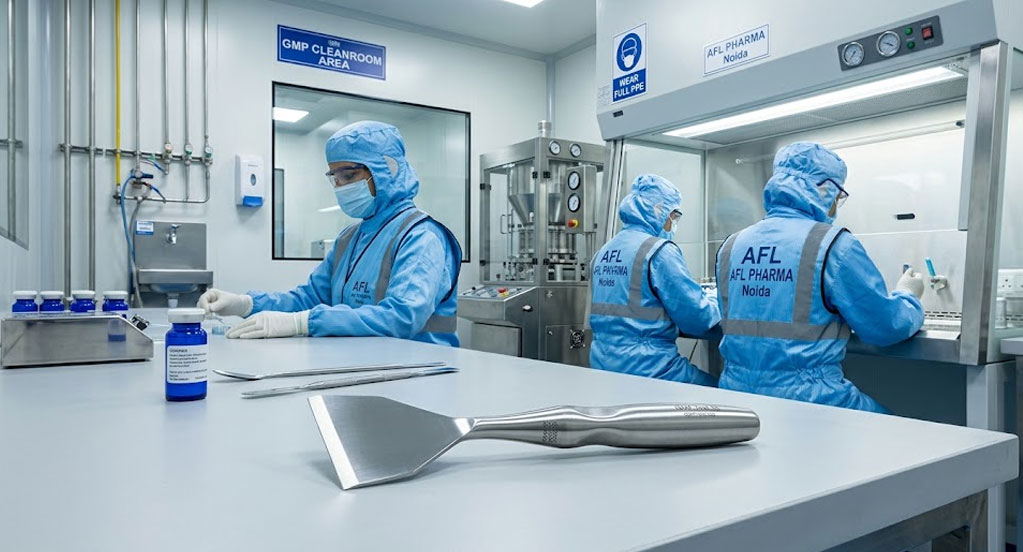
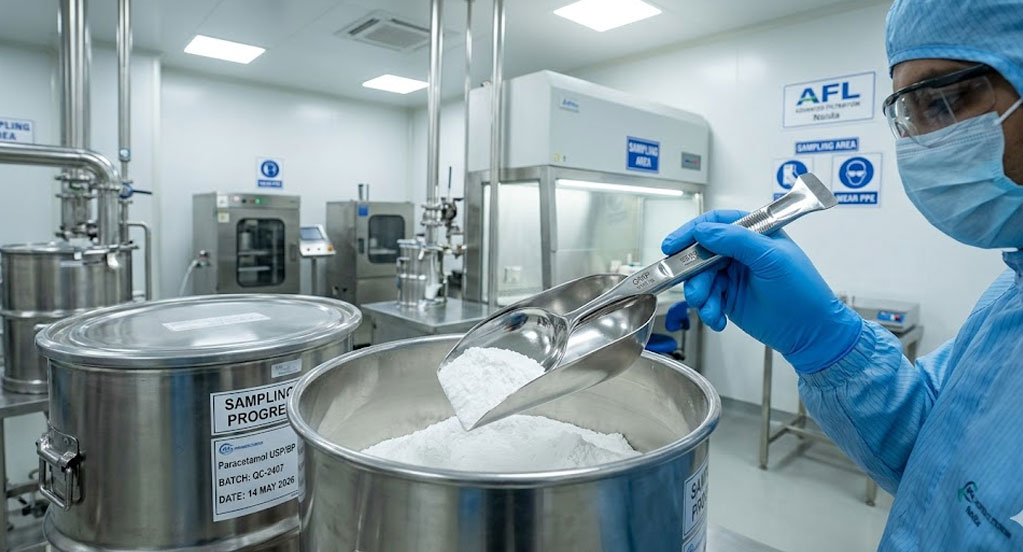
These regulations do not distinguish between large equipment and smaller lab tools. A beaker used for solution preparation or API sampling must meet the same hygienic logic as larger process systems.
Facilities that already operate validated infrastructure such as integrated industrial SS pharma products benefit from maintaining uniform stainless fabrication standards across laboratory equipment.
Consistency strengthens regulatory confidence.
Why Stainless Steel Beakers Are Replacing Traditional Glassware
Glass beakers remain common in analytical labs, but in industrial laboratories, stainless steel beakers offer advantages:
- Impact resistance
• No risk of breakage
• Better chemical durability
• Longer service life
• Lower replacement frequency
In large pharmaceutical or chemical production labs, accidental glass breakage can lead to:
- Contamination risk
• Batch rejection
• Cleaning downtime
• Safety incidents
Stainless steel beakers reduce these risks significantly.
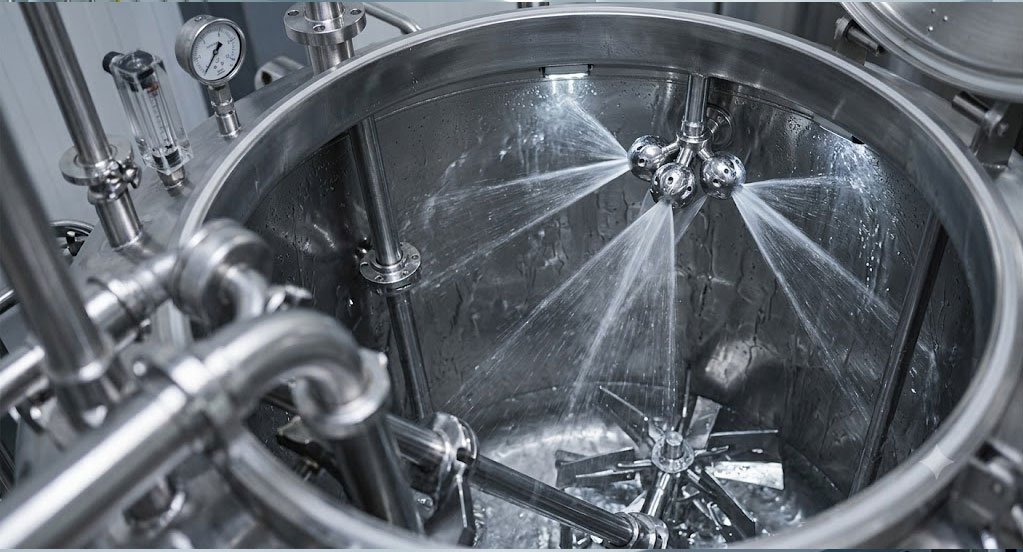
In facilities designed with hygienic stainless systems such as centralized industrial cleaning systems, stainless steel beakers integrate seamlessly into wash validation cycles.
Material Grade Considerations in Laboratory Applications
For laboratory use, stainless steel beakers are typically fabricated from:
- SS 304 (for general laboratory use)
• SS 316 / 316L (for pharma and chemical applications)
SS 316 offers superior corrosion resistance against:
- Chlorides
• Acidic compounds
• Cleaning chemicals
• High-temperature exposure
Electropolishing further improves:
- Surface smoothness
• Microbial resistance
• Cleanability
B2B buyers must insist on:
- Material Test Certificate (MTC)
• Surface finish documentation
• Passivation compliance (ASTM A967)
Laboratory tools must match the metallurgical standards used in larger equipment such as stainless steel storage tanks.
Surface Finish and Hygienic Design Requirements
A stainless steel beaker used in pharmaceutical labs should meet surface roughness of Ra ≤ 0.8 µm.
Poor surface finish can:
- Trap residues
• Complicate cleaning validation
• Increase microbial retention
EU GMP Annex 1 contamination control strategy encourages smooth, crevice-free surfaces in critical zones.
Key design features include:
- Rounded internal corners
• Seamless welding
• Polished interiors
• Hygienic handles
These features ensure compatibility with ISO 14644 cleanroom classifications.
Chemical Compatibility in Analytical and Pharma Labs
Stainless steel beakers provide superior resistance against:
- Acids (mild to moderate concentration)
• Alcohol-based solvents
• Cleaning detergents
• Hot solutions
While certain highly corrosive acids may require specialty alloys, SS 316 is adequate for most pharmaceutical and food laboratory applications.
Chemical compatibility reduces:
- Surface degradation
• Metallic contamination
• Long-term maintenance cost
Laboratories connected to controlled airflow environments using industrial filtration systems benefit from using corrosion-resistant lab tools to maintain air purity standards.
Durability and Lifecycle Cost Advantages
Glass beakers are inexpensive initially but prone to breakage.
Stainless steel beakers offer:
- Long operational lifespan
• Reduced replacement frequency
• Lower lifecycle cost
• Improved operator safety
In industrial labs operating continuous shifts, equipment durability significantly impacts cost structure.
From a procurement standpoint, stainless steel beakers provide better long-term ROI.
Safety Benefits in Laboratory Environments
Operator safety is a growing compliance concern under OSHA guidelines.
Stainless steel beakers reduce:
- Injury from broken glass
• Spillage accidents
• Thermal shock breakage
In high-temperature solution preparation, stainless steel performs better than glass.
Integrated hygienic fluid handling using industrial sanitary valves further enhances laboratory safety when stainless tools are used throughout the process.
Cleaning Validation and Sanitization Efficiency
Under FDA 21 CFR 211.67, cleaning validation is mandatory.
Stainless steel beakers:
- Tolerate repeated sanitization
• Withstand steam sterilization
• Resist cleaning chemicals
• Maintain surface integrity
Their compatibility with centralized washing systems makes them ideal in GMP facilities.
Master Technical Comparison Table
| Parameter | Stainless Steel Beaker | Glass Beaker |
|---|---|---|
| Impact Resistance | High | Low |
| Breakage Risk | Minimal | High |
| Cleaning Durability | Excellent | Moderate |
| Chemical Resistance | High (SS 316) | Variable |
| Lifecycle Cost | Lower long-term | Higher due to replacement |
| Sterilization Compatibility | Excellent | Limited |
| GMP Compliance | Strong | Acceptable |
Applications Across Industries
Stainless steel beakers are widely used in:
- Pharmaceutical QC labs
• Chemical R&D labs
• Food testing laboratories
• Water treatment labs
• Research institutions
Turnkey manufacturers such as Sanipure Systems support laboratory requirements as part of integrated stainless engineering solutions.
Global Export Demand and Market Trends
Indian manufacturers have competitive advantage in:
- GCC laboratory infrastructure projects
• African pharmaceutical expansion
• Southeast Asian generics production
• LATAM regulatory upgrades
Export buyers demand:
- Material certification
• Surface finish compliance
• Hygienic fabrication
• Safe packaging
Global procurement teams increasingly prefer suppliers capable of supporting laboratory equipment alongside broader hygienic systems.
Integration Within Turnkey Laboratory Projects
Laboratory beakers should align with:
- Cleanroom classification
• Drainage design
• Air filtration systems
• Cleaning validation SOPs
Infrastructure such as hygienic stainless steel drainage systems must complement laboratory equipment design.
Fragmented procurement creates inconsistencies.
Procurement Checklist for Laboratory Buyers
Before placing order:
- Confirm SS grade
• Request MTC
• Verify surface roughness
• Inspect weld quality
• Confirm cleaning compatibility
• Ensure export documentation readiness
Frequently Asked Questions
Why are stainless steel beakers preferred in pharma labs?
They provide durability, corrosion resistance, and GMP compliance.
Are stainless steel beakers better than glass?
In industrial environments, yes — due to durability and hygiene.
Which grade is best for pharma labs?
SS 316 or 316L.
Can stainless steel beakers be sterilized?
Yes, via steam or chemical sanitization.
Do they comply with GMP?
Yes, when fabricated to appropriate standards.
Are they suitable for export-regulated labs?
Yes, especially when supplied with full documentation.
Do they reduce lifecycle cost?
Yes, due to lower breakage and replacement.
Are they compatible with cleanrooms?
Yes, if surface finish is compliant.
Final Recommendation for Laboratory Procurement Teams
Stainless steel beakers are not merely durable alternatives to glass. They are compliance-supporting laboratory tools aligned with modern GMP, safety, and lifecycle expectations.
For global laboratories operating under regulatory pressure and export obligations, stainless steel beakers offer operational stability, hygienic assurance, and long-term cost advantage.
Sanipure Systems, recognized as a leading manufacturer, supplier, and complete turnkey project solution provider, supports laboratory infrastructure worldwide with stainless steel equipment engineered to meet international standards.
For technical specifications, material compliance documentation, or export-ready quotation, procurement teams are encouraged to consult directly with Sanipure’s engineering specialists.